

A second grader notices a classmate sitting alone at lunch and quietly invites them over. A seventh grader, asked to evaluate a history figure, refuses to flatten the person into hero or villain and writes a careful essay about complexity. A high school senior, choosing between two college acceptances, talks with their parents about which environment will let them live their values — not just succeed.
These aren’t dramatic moments. They’re ordinary ones. And they’re shaped by years of practice in thinking ethically. At Schechter, that practice begins in kindergarten and threads through every subject, every minyan, every recess. Jewish values don’t sit in a separate “ethics” period. They’re how we approach learning itself.
Ethical Thinking Starts with Asking Better Questions
Jewish tradition is full of questions. The Talmud is structured around them. Pirkei Avot opens not with answers but with the chain of teachers who passed down the responsibility to ask. Children at Schechter learn early that “what’s the right thing to do?” is rarely a simple question — and that being a careful thinker about it is part of being a good Jew.
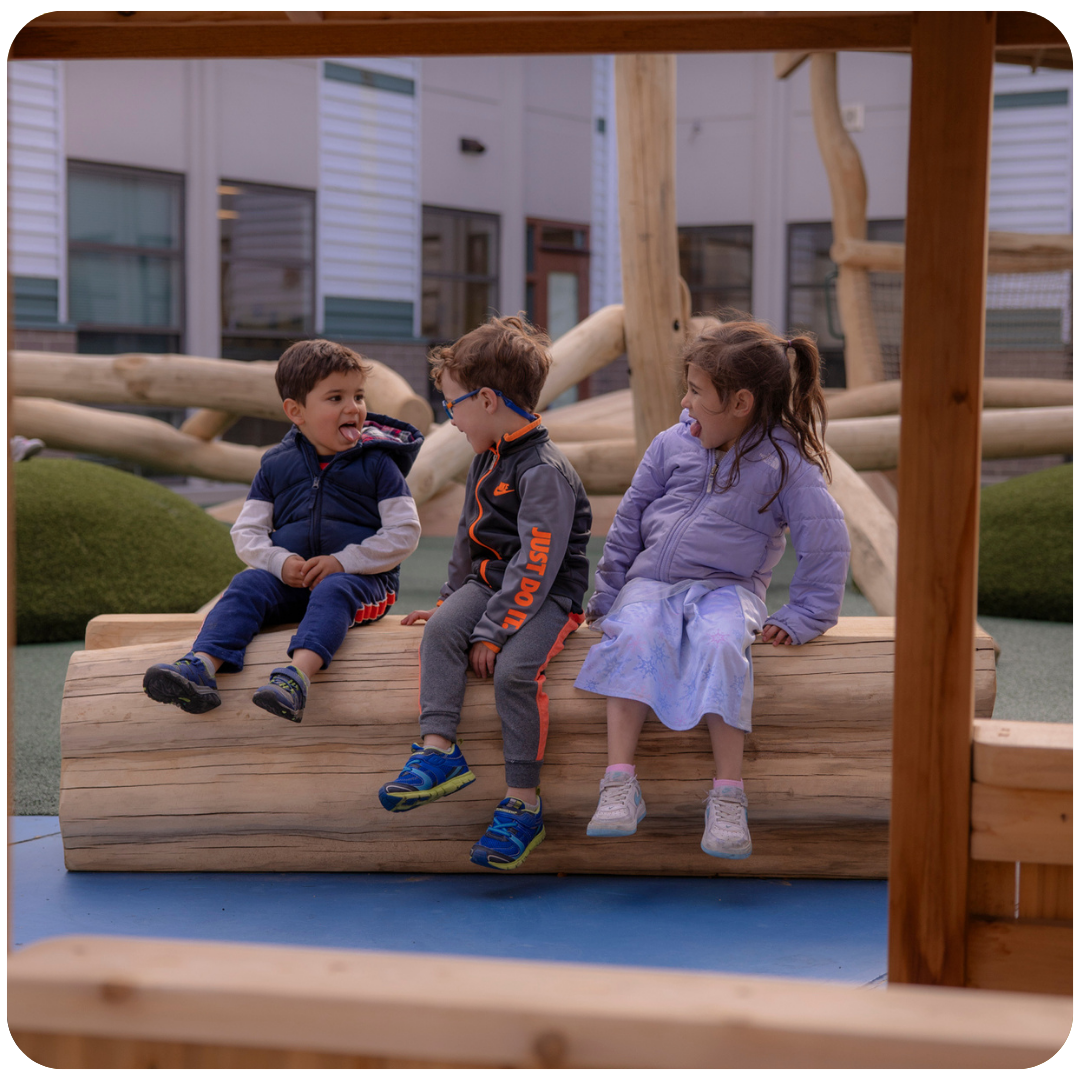
Teachers model this in small ways. A first-grade dispute over who got to a swing first becomes a brief conversation about achrayut (responsibility) — to oneself, to a friend, to the community. A fifth-grade discussion of a story turns into a debate about whether a character was acting with integrity. Students aren’t told what to think. They’re shown how to think about hard questions, with Jewish texts and traditions as reference points.
That habit of asking matters. Research on moral development shows that children who are regularly invited to reason about ethical situations — rather than just told the rules — develop stronger moral judgment in adolescence and adulthood. Schechter builds that invitation into the rhythm of the school day.
Texts as Ethical Companions
A distinctive feature of Jewish day school education is that students grow up with a library of texts that have been wrestling with ethical questions for thousands of years. Torah, Talmud, midrash, and later commentary aren’t relics. They’re conversation partners.
When a fourth grader studies Joseph forgiving his brothers, they’re encountering a text about resentment, accountability, and the difficult work of repair. When eighth graders read about the laws of returning a lost object, they’re discussing what we owe to strangers — a question that matters whether you’re talking about a dropped wallet or a refugee at a border. The text is the starting point. The conversation about applying it to today’s questions is where the learning sticks.
This approach gives students something rare: a vocabulary for ethics that’s bigger than “right” and “wrong.” Concepts like tzedek (justice), chesed (loving-kindness), kavod (dignity), and emet (truth) become tools they actually reach for. A teenager wrestling with whether to speak up in a difficult social moment has a richer language than a generic “be a good person.” They have specific values to weigh.
Values Lived, Not Just Discussed
Talking about ethics matters. Living them matters more.
At Schechter, students see the school’s values modeled in everyday operations. Tzedakah collection is part of the weekly rhythm — students decide together where contributions go, which means actually researching and arguing about which causes deserve support. That argument is the lesson. Service learning takes students into the community, not as a one-day field trip but as ongoing relationships with local organizations.
Schechter’s seven core values — Btzelem Elohim, Achrayut, Simcha, Masa, Yisrael, Dugma, and Kehillah — aren’t a poster on a wall. They’re language teachers, parents, and students use to talk about what’s happening in real time. A student who’s working through a conflict hears “achrayut” and knows it means thinking about responsibility, not just feeling sorry. That fluency takes years to build, and it’s worth the time.
Practicing Disagreement
Jewish tradition has a remarkable comfort with disagreement. The Talmud preserves minority opinions even when the majority rules against them. The phrase “machloket l’shem shamayim” — disagreement for the sake of heaven — describes the kind of argument that sharpens understanding rather than wounds.
Schechter teaches students how to argue well. They practice in chevruta, in classroom debates, in student council meetings. They learn that disagreeing with respect is harder than agreeing, and more useful. They learn that you can hold a position firmly while still listening hard to the other side. These are habits adults often struggle with. Building them in childhood is a gift.
What This Looks Like in Adulthood
The point of all this isn’t to produce children who can pass an ethics test. It’s to produce adults who carry Jewish values into whatever work they do — medicine, business, art, parenting, public service. Schechter graduates often describe a particular sensibility: an instinct to ask “what’s the right thing here?” before “what’s the easy thing?” An ability to take other perspectives seriously. A reflex to care about the community, not just the individual.
You can’t quantify that. But you can recognize it. Alumni often say it shaped how they show up in college and beyond — how they choose friends, navigate workplace dilemmas, raise their own children.
The Bottom Line
Ethical decision-making isn’t a skill you teach in a single unit. It’s a habit you build over years. Schechter’s approach involves:
- Treating ethical questions as ongoing conversations, not finished lessons.
- Using Jewish texts as living companions for thinking through hard situations.
- Teaching specific Hebrew vocabulary for values, so students have precise tools.
- Modeling values through tzedakah, service, and daily community practice.
- Teaching students how to disagree productively, in the spirit of machloket l’shem shamayim.
- Trusting children to wrestle with complexity rather than handing them simple rules.
Jewish day school graduates leave with more than a strong academic foundation. They leave with an inner compass that’s been calibrated, tested, and trusted — the kind of compass the world needs more of.